-
Roth IRA for Kids? SEP IRA for Rental Income?
In this issue:
- News & Tips You Can Use: 5 Tax Tips For Tax Filing Season
- 6 Ways to Cope in Your Retirement Savings & Spending Under the Current DOGE, Tariff Regime
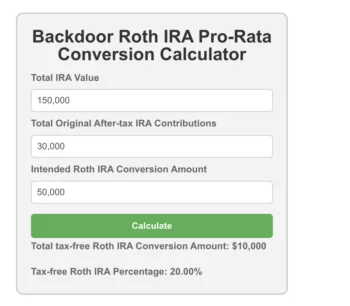
- Backdoor Roth IRA Pro-Rata Conversion Calculator
- Market Overview
-
6 Ways to Cope in Your Retirement Savings & Spending Under the Current DOGE, Tariff Regime
In this issue:
- Latest in Retirement Savings & Personal Finance: Tax Season, Regulations Relaxed, Low Housing Affordability
- 6 Ways to Cope in Your Retirement Savings & Spending Under the Current DOGE, Tariff Regime
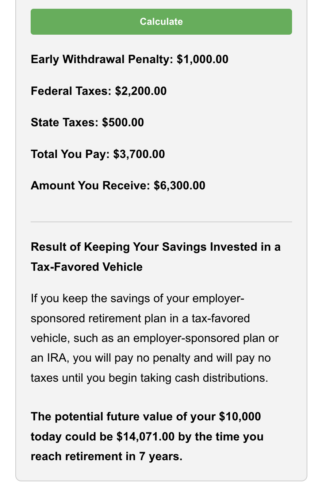
- 401k Early Withdrawal Cost Calculator
- Market Overview
-

Outsaving Regular Workers: How Gig Workers & Entrepreneurs Can Save 3x More for Retirement—Up to $70K Tax-Deferred!
In this issue:
- Latest in Retirement Savings & Personal Finance
- Outsaving Regular Workers: How Gig Workers & Entrepreneurs Can Save 3x More for Retirement—Up to $70K Tax-Deferred!
- Solo 401(k) Maximum Contribution Calculator
- Market Overview
-
The Hidden Benefit of Emergency Savings Accounts: It’s a ‘Regular’ Savings Account with Free Employer Match
In this issue:
- Latest in Retirement Savings & Personal Finance
- One Percent Difference: Fees and Growth
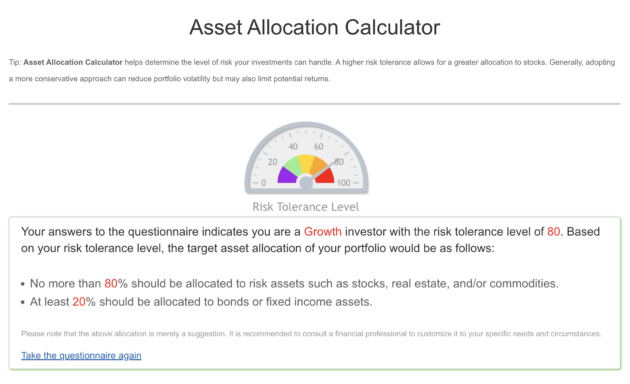
- Asset Allocation Calculator
- Market Overview
-
February 2025 MyPlanIQ Portfolio Update
In this issue:
- QARP: Quality at a Reasonable Price — Graham’s Framework for Defensive Investors
- Fund Analysis: QARP-style ETFs
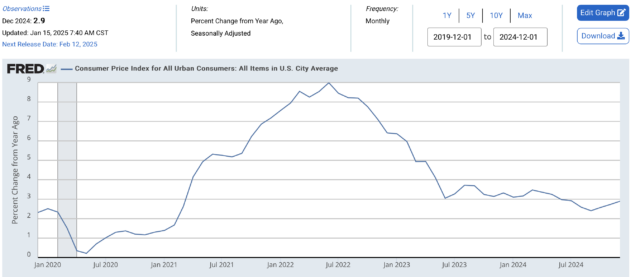
- Economic & Market Indicators
- Model Portfolios
- Funds to Watch
- Market Overview
-
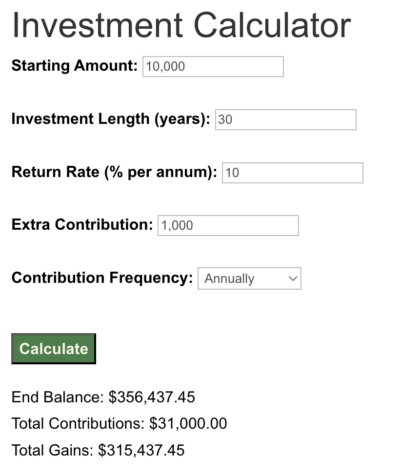
Maximizing Your Savings & Investments: The Power of 1% Over Time
In this issue:
- Latest in Retirement Savings & Personal Finance
- One Percent Difference: Fees and Growth
- Fee Calculator
- Market Overview
-

Key Retirement Ages: Essential Milestones for 401(k), IRA, Solo 401(k), SEP IRA, Social Security & Medicare
A cheat sheet for the important milestone ages such as Rule of 55, Catch-up Contributions, Medicare age,…
-
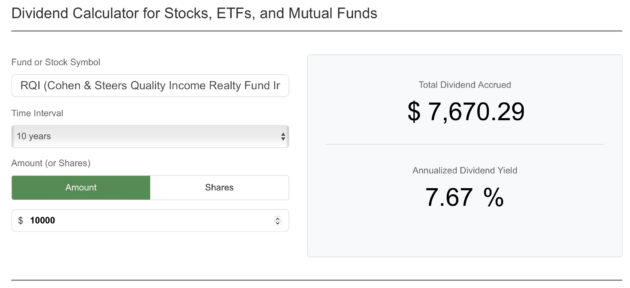
Dividend Income Investments: Benefits and Pitfalls
In this issue:
- Latest in Retirement Savings & Personal Finance
- Dividend Income Investments: Benefits and Pitfalls
- Dividend Income Calculator for Stocks, ETFs, and Mutual Funds
- Market Overview
-

Rule of Thumb: The 50/30/20 Budget Rule
In this issue:
- Latest in Retirement Savings & Personal Finance
- Rule of Thumb: The 50/30/20 Budget Rule
- Simple Budget Calculator
- Market Overview
-

Option-Based Income Funds: Pros and Cons
Option-based income funds can be a valuable tool for income-focused investors, particularly in low-yield environments. However, their higher expenses, potential underperformance, and tax implications necessitate a cautious approach.
-
9 Lessons From Retirees’ Biggest Retirement Regrets
In this issue:
- 9 Lessons From Retirees’ Biggest Retirement Regrets
- Returns of MyPlanIQ Core Model Portfolios
- Portfolio Simulator (Calculator)
- Lazy Portfolios: Simple Templates for 401(k) and IRA Investments
- Market Overview
-
Top 15 ETFs for Self-Directed Brokerage Accounts or Brokerage Window in 401(k) Plans
Top 15 ETFs that average 401(k) investors can use to construct a solid asset allocation portfolio for their self-directed brokerage accounts.
-

Top 15 Large Companies with the Highest Employer Match Rate per Employee
Top 15 Large Companies with the Highest Employer Match Rate per Employee: this group of companies have the highest matching rates to reward their employees’ retirement savings.
-

Top 15 Large Companies Offering the Most Generous Employer Matches
Top 15 Large Companies Offering the Most Generous Employer Matches: this group includes airline pilots, physicians, consultants and transportation companies.
-

Top 7 Companies with Billion-Dollar Contributions to Employee Retirement Plans
Top 7 Companies with Billion-Dollar Contributions to Employee Retirement Plans, compared with only 5,000 U.S. companies that have more than a billion dollar annual revenue.
-
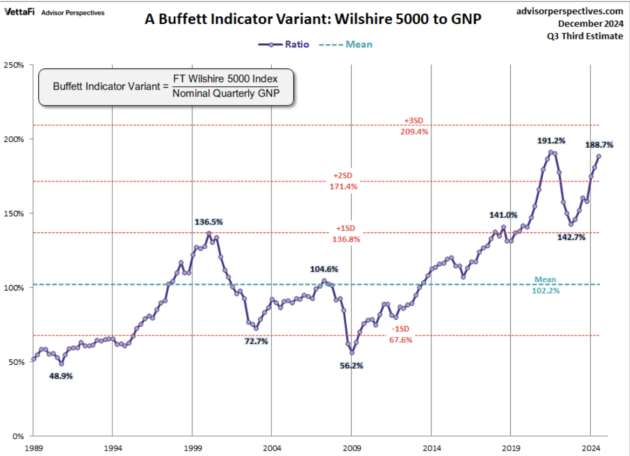
January 2025 MyPlanIQ Portfolio Update
In this issue:
- 2024 Review
- Fund Analysis: Be Cautious with Options-Based Income Funds
- Economic & Market Indicators
- Model Portfolios
- Funds to Watch
- Expect a Bumpy Ride: Outlook for Stocks and Bonds in 2025
-
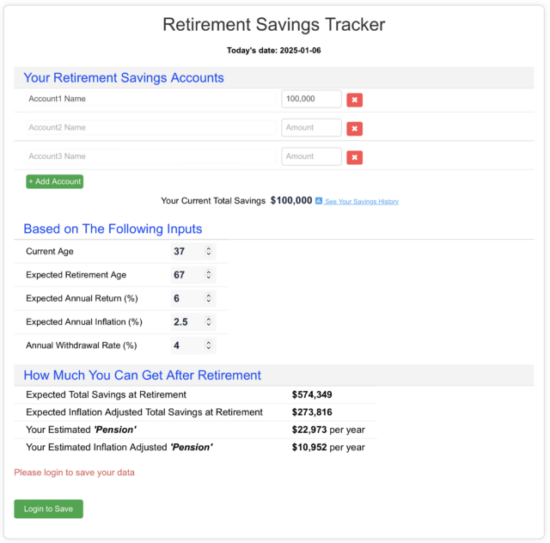
Retirement Savings Tracker and Future ‘Pension’ Estimator
In this issue:
- Gen X’s Retirement Savings Shortfall
- Introducing Retirement Savings Tracker & Future ‘Pension’ Estimator
- Retirement Savings Tracker
- Most Popular Bond Funds in 401(k) Plans
- Market Overview
-
Certificates of Deposit (CDs) vs. Treasuries: The Key Pros and Cons Explained
In this article, we summarize the pros and cons between CDs and Treasuries for fixed-income investors. Key Differences Between Certificates of Deposit (CDs) and Treasuries Factor CDs Treasuries Security – FDIC-insured up to $250,000 per depositor per bank. + Backed by the full faith and credit of the U.S. government, Treasuries are considered among the safest investments, with security that surpasses even FDIC insurance. – Limited insurance coverage for amounts above $250,000 at each bank. + No limit to the amount of protection. Yield + Generally higher yields for maturities of 1 year or longer. – Typically lower yields for maturities over 1 year. – Lower yields for shorter maturities compared to Treasuries. + Higher yields for short-term maturities (less than 1 year). Note: this could possibly change so double check yields before purchase. Taxes – Subject to both federal and state income taxes. + Exempt from state income taxes. – State tax impact can reduce effective yield, especially in high-tax states. + More tax-efficient, especially in high-tax states. Maturities – Limited availability for maturities beyond 5 years. + Wide range of maturities (4 weeks to 30 years). – Flexibility can be restricted depending on the bank’s capital needs and availability of brokered CDs in a brokerage like Schwab or Fidelity. + Extensive maturity options between 2023–2053. Liquidity – Less liquid, may involve fees or uncertainty of receiving original principal if sold early. + More liquid, with an active secondary market for easy resale. – Brokered CDs can be sold in secondary markets but may involve a fee. + Easier to sell with tighter bid/ask spreads. Strategy Considerations – Fewer maturity options for building a maturity CD ladder. + Easier to build a flexible bond ladder portfolio. Convenience + Banks often promote CDs with lower yields. – Has to rely on Brokerage to purchase/sell Treasuries most times Detailed Tax Impact Comparison: State Tax Impact CDs Treasuries For High-Tax States – State income taxes can reduce yield significantly (e.g., California, New York). + State income tax exemption offers a clear tax benefit. Example – In California, a 3-year CD yielding 3.90% after state taxes drops to 3.38%. + A 3-year Treasury yielding 3.51% remains unaffected by state taxes. Breakeven Tax Rate – For a CD to equal a Treasury’s yield, a state tax rate of ~10% or more may be required. + More tax-efficient for investors in high-tax states. Conclusion In summary:
-

Top 9 Most Popular Stock Funds in 401(k) Retirement Plans
Top 9 Most Popular Stock Funds in 401(k) Retirement Plans include actively managed funds by excellent managers and several ultra-low cost Vanguard stock index funds. It also features their latest return figures.
-

Top 11 Most Popular Bond Funds in 401(k) Retirement Plans
Top 11 Most Popular Bond Funds in 401(k) Retirement Plans include actively managed funds by award winning managers and ultra-low cost bond index funds. It also has its latest return figures.
