-
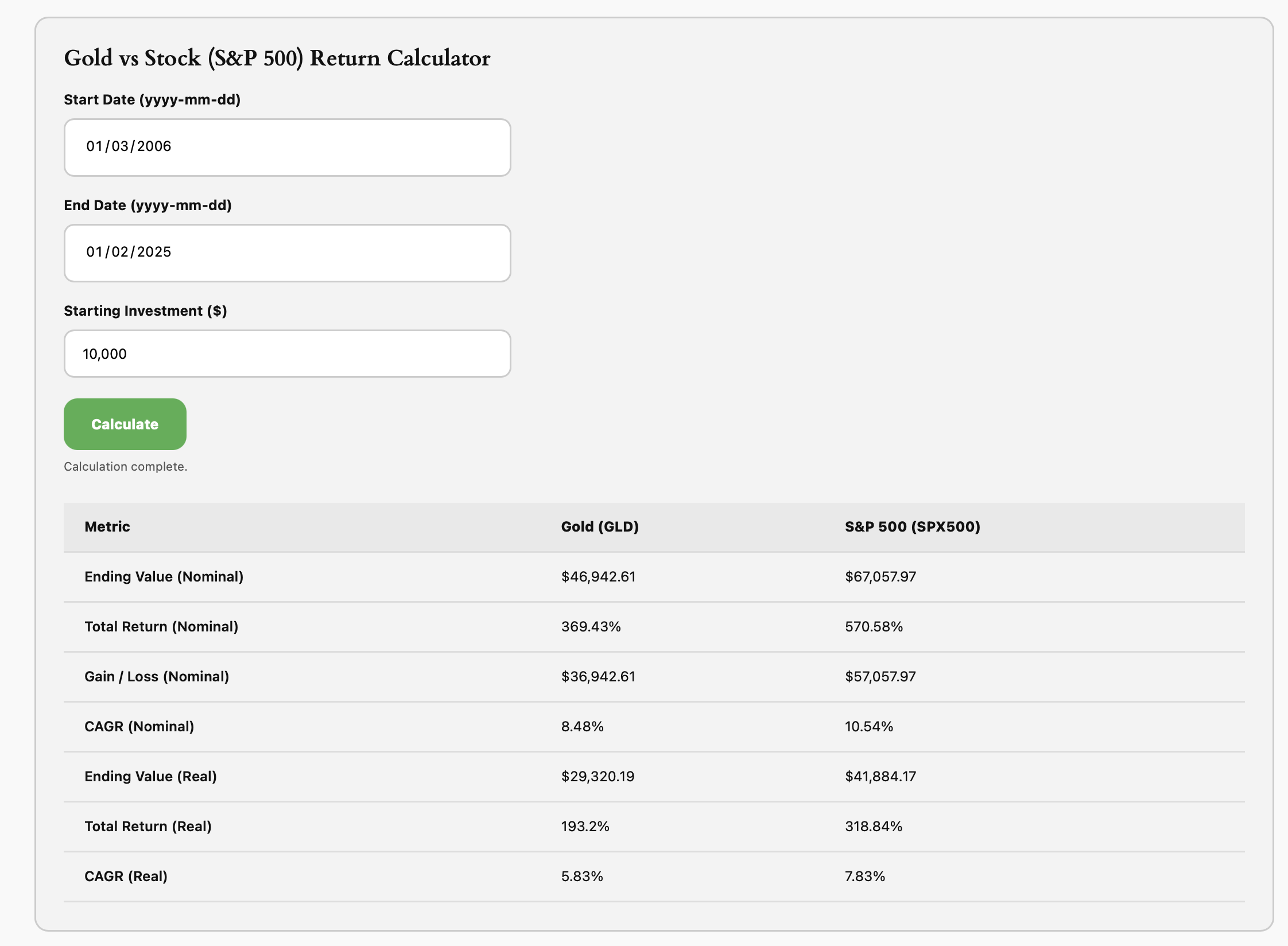
Gold Shines as a Store of Value
- Latest in Retirement Savings & Personal Finance: Rise in U.S. Bankruptcies, Surging Long-Term Bond Yields Worldwide
- Gold Shines as a Store of Value
- Tools & Tips: Gold vs Stock Return Calculator
- Market Overview
-
September 2025 MyPlanIQ Portfolio Update
- Stock and Bond Returns in the Next Decade
- Conservative Allocation Funds Review
- Economic & Market Indicators
- Model Portfolios
- Funds to Watch
- Market Overview
-

Saving and Investing for College in a World of Runaway Tuition
- Latest in Retirement Savings & Personal Finance: Runaway College Tuitions, Vanguard Now Recommends 30% Stocks 70% Bonds
- Social Security at Risk: Saving and Investing for College in a World of Runaway Tuition
- Tools & Tips: 529 Plan Tax Savings Calculator
- Market Overview
-
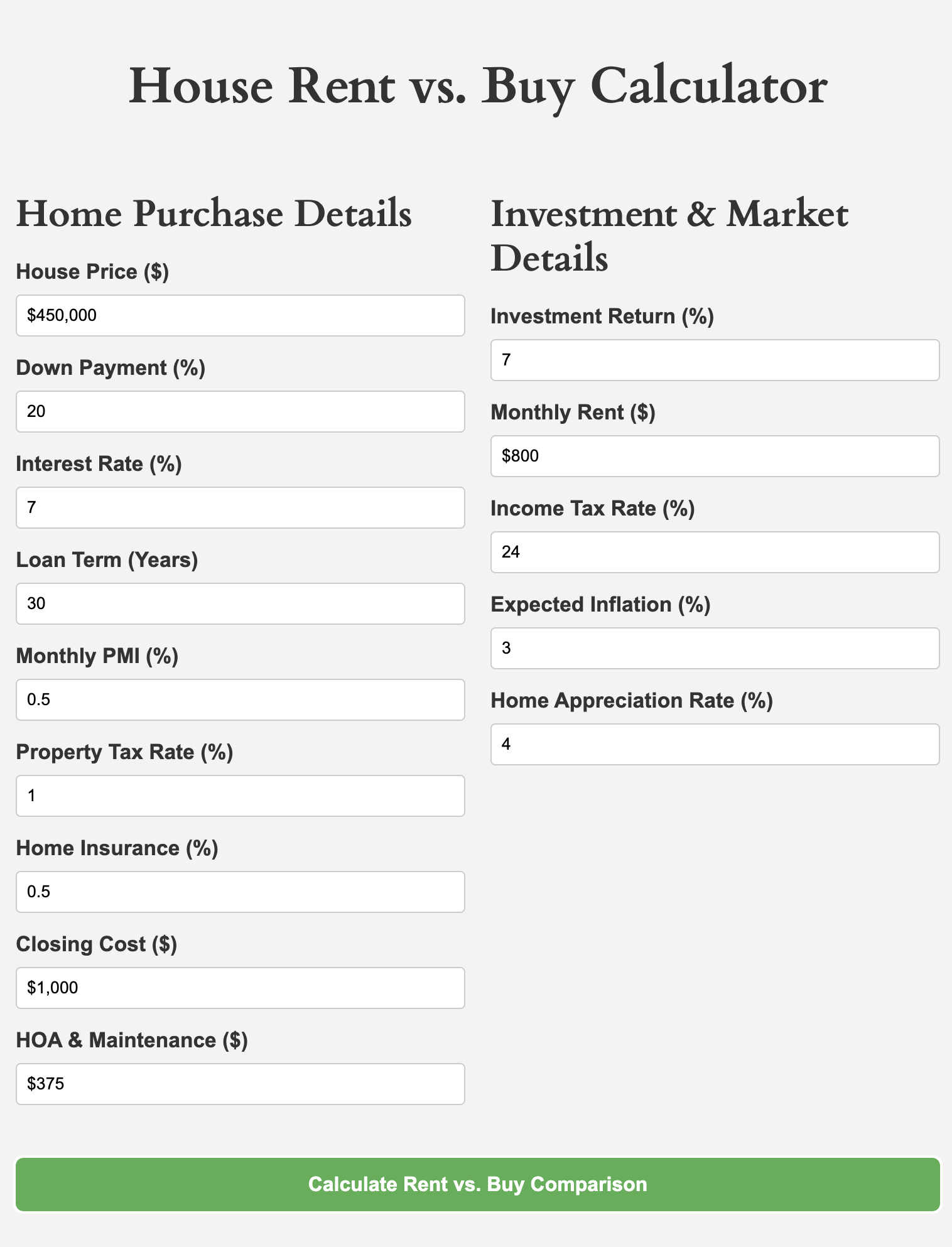
Home Rent vs. Buy: That’s A Great Question
- Latest in Retirement Savings & Personal Finance: Social Security COLA Expected to 2.7%, Consumers Hit 70% Tariff by October
- Social Security at Risk: Home Rent vs. Buy: That’s A Great Question
- Tools & Tips: Home Rent vs. Buy Calculator
- Market Overview
-
Social Security at Risk: 2033 Deadline and What to Do
In this issue:
- Latest in Retirement Savings & Personal Finance: U.S. Household Debt Breakdown, Student Loan Reform, Private Equity & Crypto in 401(k)s
- Social Security at Risk: 2033 Deadline and What to Do
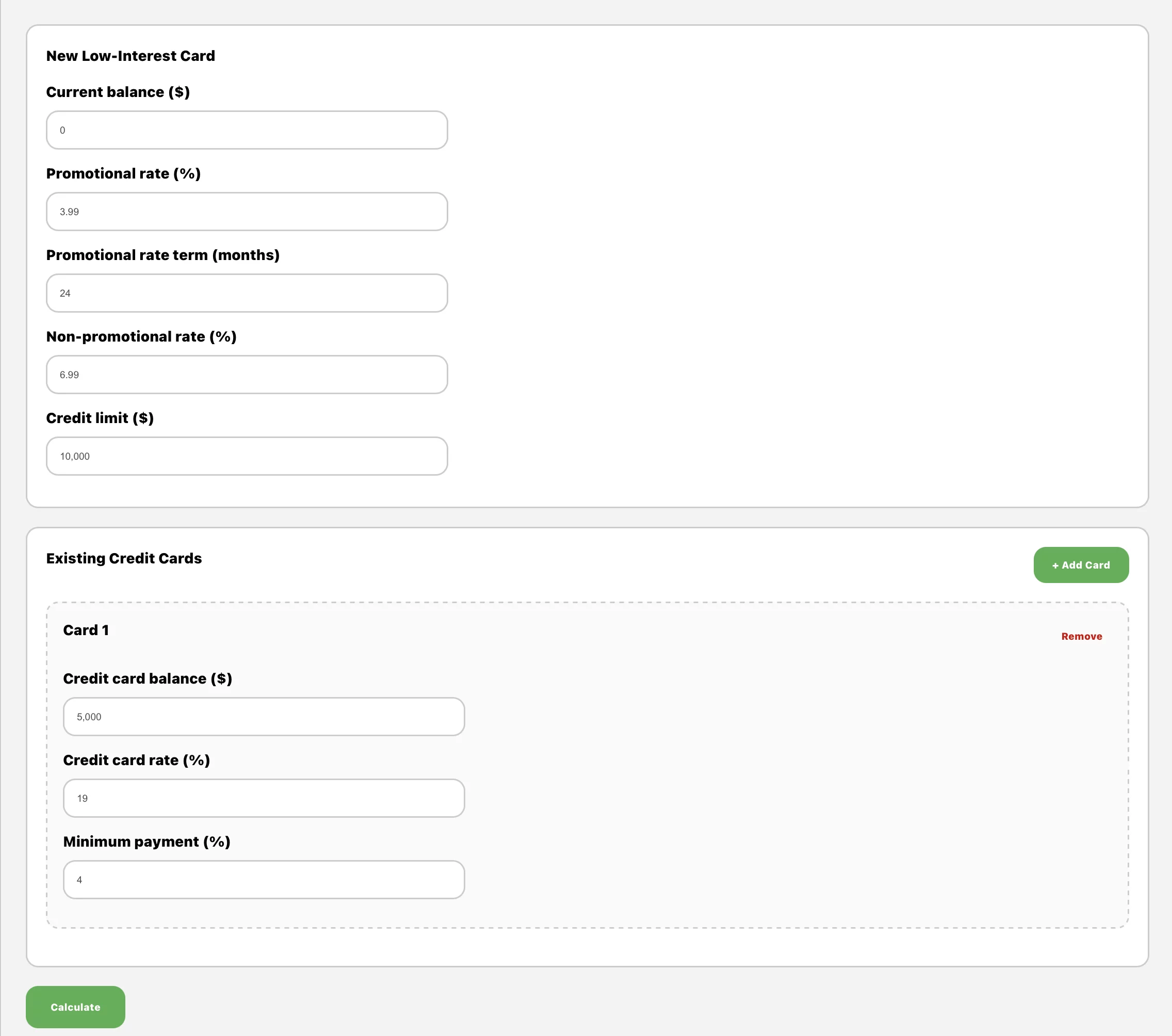
- Tools & Tips: Credit Card Balance Transfer Optimizer
- Market Overview
-

Business Development Companies (BDCs) for High Income
Business Development Companies (BDCs) are highly volatile but providing very high income. Managed conservatively, these stocks can be part of income investors’ portfolios.
-

Chasing Income with Those High Yield ETFs. Smart or Misleading?
In this issue:
- Latest in Retirement Savings & Personal Finance: Missed Car Loan at a Record Level, Employment Numbers Revised Down Sharply, 31% of Retirees Considering Returning to Work
- Chasing Income with Those High Yield ETFs. Smart or Misleading?
- Tools & Tips: ULTY or MSTY Dividend Calculators
- Market Overview
-

August 2025 MyPlanIQ Portfolio Update
In this issue:
- Residential Real Estate vs. Stock Investments
- Fund Analysis: PIMCO Multisector Bond ETF PYLD
- Economic & Market Indicators
- Model Portfolios
- Funds to Watch
- Market Overview
-
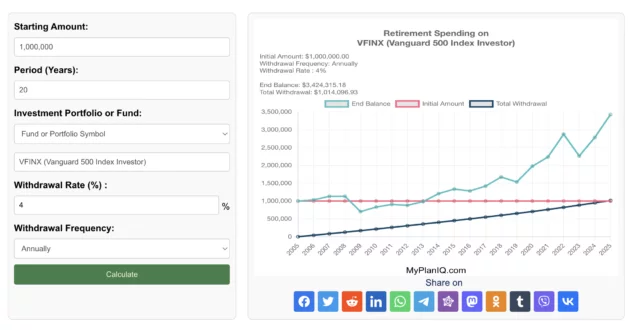
The Most Reliable Retirement Savings: Why $1.8 Million is a Popular Lie
In this issue:
- Latest in Retirement Savings & Personal Finance: Retirement Savings Still Fall Short, Sluggish Home Sales & The Most Overvalued Stock Market
- The Most Reliable Retirement Savings Needed: Why $1.8 Million is a Popular Lie
- Tools & Tips: Retirement Spending Calculator Based on a Portfolio, Fund, or Stock
- Market Overview
-

The Most Reliable Retirement Savings Amount You Need in 2025
You’ve probably come across those big retirement numbers that show up in media or surveys. Most of them sound a lot higher than what many people can actually save. Here are some popular ones: In this article, we will walk you through to show how an American with median income needs far less than the above headline numbers to retire at a similar quality life before retirement. A simple retirement spending formula is to utilize so called 4% wtihdrawal rule: the conventional wisdom goes that if you manage to withdraw 4% every year in a conservative investment portfolio (such as 70% in bonds and 30% in stocks), you probably will end up being able to extend your capital beyond 25 years: remember spending 4% every year in an account without much investment gain will deplete the account completely in 25 years (100%/4%=25). Financiall planners often use this 4% as a rule of thumb to gauge how much retirement income you need. Or put it another way, if you need to spend $10,000 a year, you would need to save $10,000 * 25 =$250,000 income before the retirement. So here are some numbers we can play with a typical American of 65 year old with median income: According to BLS data summarized by SmartAsset, full‑time workers aged 65+ earn a median of roughly $60,268 per year. Financial planners generally advise replacing 75%–85% of pre‑retirement income; Schwab specifically recommends about 80%. That puts your retirement income target at about $48,000 annually. Meanwhile, the average newly retired worker collects about $2,000 per month in Social Security, or $24,000 per year, as of 2025. That equates to Social Security covering nearly half your income goal, leaving a gap of $24,000 per year. Under the 4% safe withdrawal rule, you’d need only $24,000 * 25 = $600,000 (as 100%/4%=25) in savings to generate that supplemental income. This is far less than the headline figures! Why $600K Can Be Enough That’s not to say larger balances are useless. But if you can invest $600K conservatively and consistently earn about 4% after inflation, that portfolio should support a stable $24,000 annual withdrawal. It could last decade, and you can still manage to leave something over at the end. This amount also reduces pressure to chase high‑risk strategies during market fluctuations. In comparison, obsessing over a $1.8 million goal may mislead you into delaying retirement unnecessarily or taking undue risks. Why Realistic Targets Matter — Both Psychologically and Economically Setting an overly ambitious savings target like $1.8 million can create anxiety, discouragement, or inaction. Many people in their 50s or 60s with $300K–$400K saved may feel they’ve already failed, even if they are on track for a comfortable retirement based on income replacement. That psychological burden can erode confidence and planning energy. Economically, inflating your savings goal can steer you toward riskier investments or unnecessary financial austerity in your productive years. By contrast, a realistic target tied to your actual needs lets you invest steadily, spend reasonably now, and retire with clarity. It also makes you to focus on your investment portfolio risk, something you can manage with tools like MyPlanIQ’s Fixed‑Income and Tactical Portfolios, which aim for low‑volatility, inflation‑beating performance for retirement savings. Individuals Vary Of course, the above is just a ‘typical’ American. For all of us, we are anything but an exact typical. For people who have higher income, you can easily see that your retirement savings needed for a comfortable retirement life can double or even triple (for a person with $180,000 annual compensation before retirement, for example). Of course for such a person with $180,000 before retirement, she or he indeed might need 3*600,000 or $1.8m savings! The point is, everyone should take time to run some numbers using the basic rule of thumb discussed in this article to understand their own situation. Headline figures are just headlines. They meant to grab your attention. But the real story is always in the details.
-
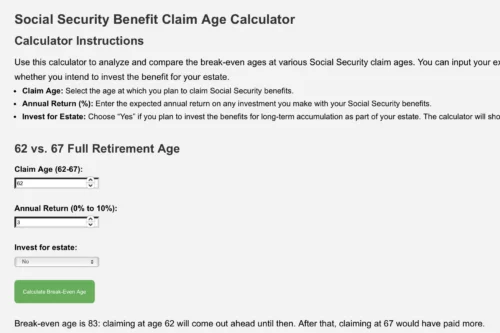
The Best Age (62, 67, or 70) to Claim Your Social Security Benefits
In this issue:
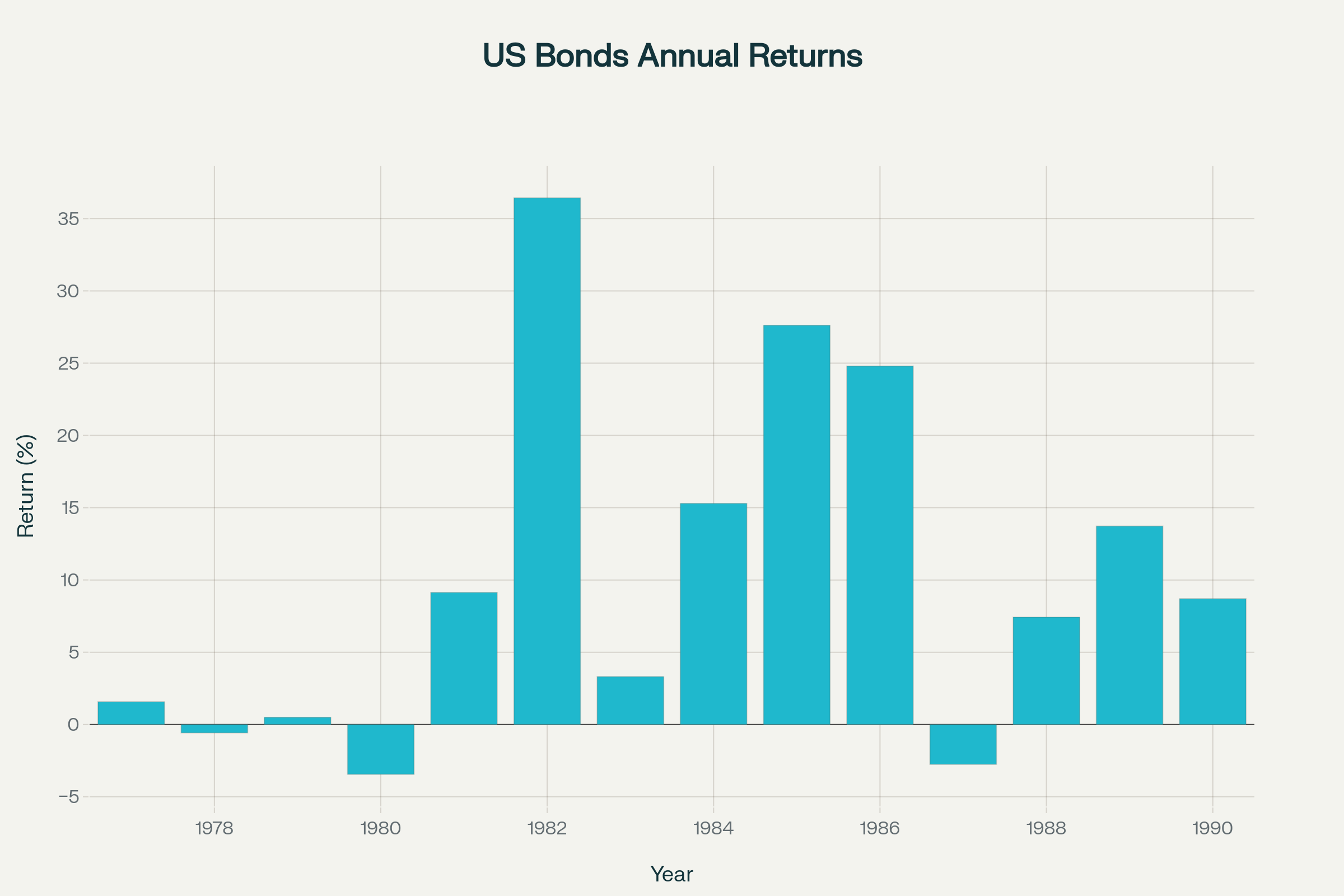
- Latest in Retirement Savings & Personal Finance: Social Security Benefit Tax in One Big Beautiful Bill, The Worst US Treasury Bond Returns in History!
- The Best Age (62, 67, or 70) to Claim Your Social Security Benefits
- Tools & Tips: Social Security Benefit Claim Age Calculator
- Market Overview
-
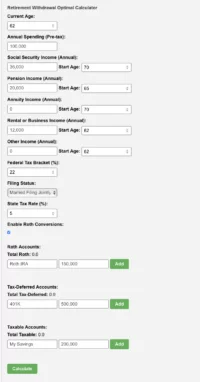
Retirement Withdrawals in Optimal Order
In this issue:
- Latest in Retirement Savings & Personal Finance: Amazon Prime Day Record Sales, Inflation Rise Again? Underestimating Hobby and Pastime Costs
- Retirement Withdrawals in Optimal Order
- Tools & Tips: Retirement Withdrawal Optimal Calculator
- Market Overview
-

Best Strategy to Withdraw Funds in Retirement
When you retire, the order you pull funds from your accounts (whether taxable, traditional, or Roth) can make big difference.
-

Retirement Milestone Cheat Sheet
In this issue:
- Latest in Retirement Savings & Personal Finance: OBBB Tax Changes, More Debt Among Millennials, Adult Children Living at Home
- Retirement Milestone Cheat Sheet
- Tools & Tips: Main ETFs You Can Use
- Market Overview
-
Savings Hacks
In this issue:
- Latest in Retirement Savings & Personal Finance: Crypto in 401(k), Private Investments in Target Date Funds, BNPL Credit Score Impact
- Savings Hacks Using BNPL & Others
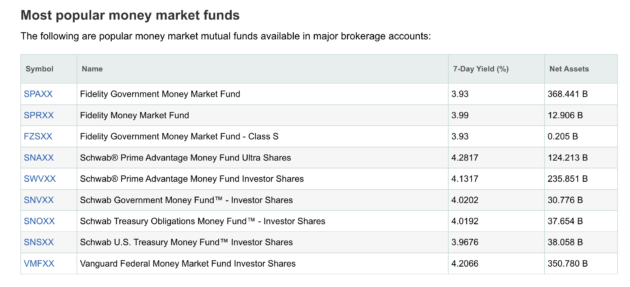
- Tools & Tips: Money Market Fund Center
- Market Overview
-
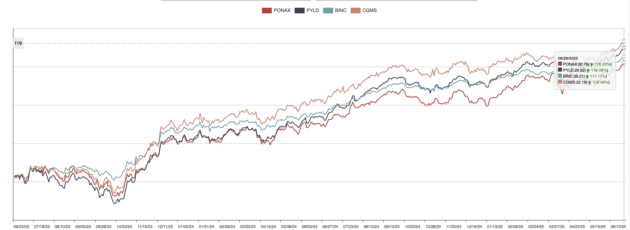
July 2025 MyPlanIQ Portfolio Update
In this issue:
- Residential Real Estate vs. Stock Investments
- Fund Analysis: PIMCO Multisector Bond ETF PYLD
- Economic & Market Indicators
- Model Portfolios
- Funds to Watch
- Market Overview
-
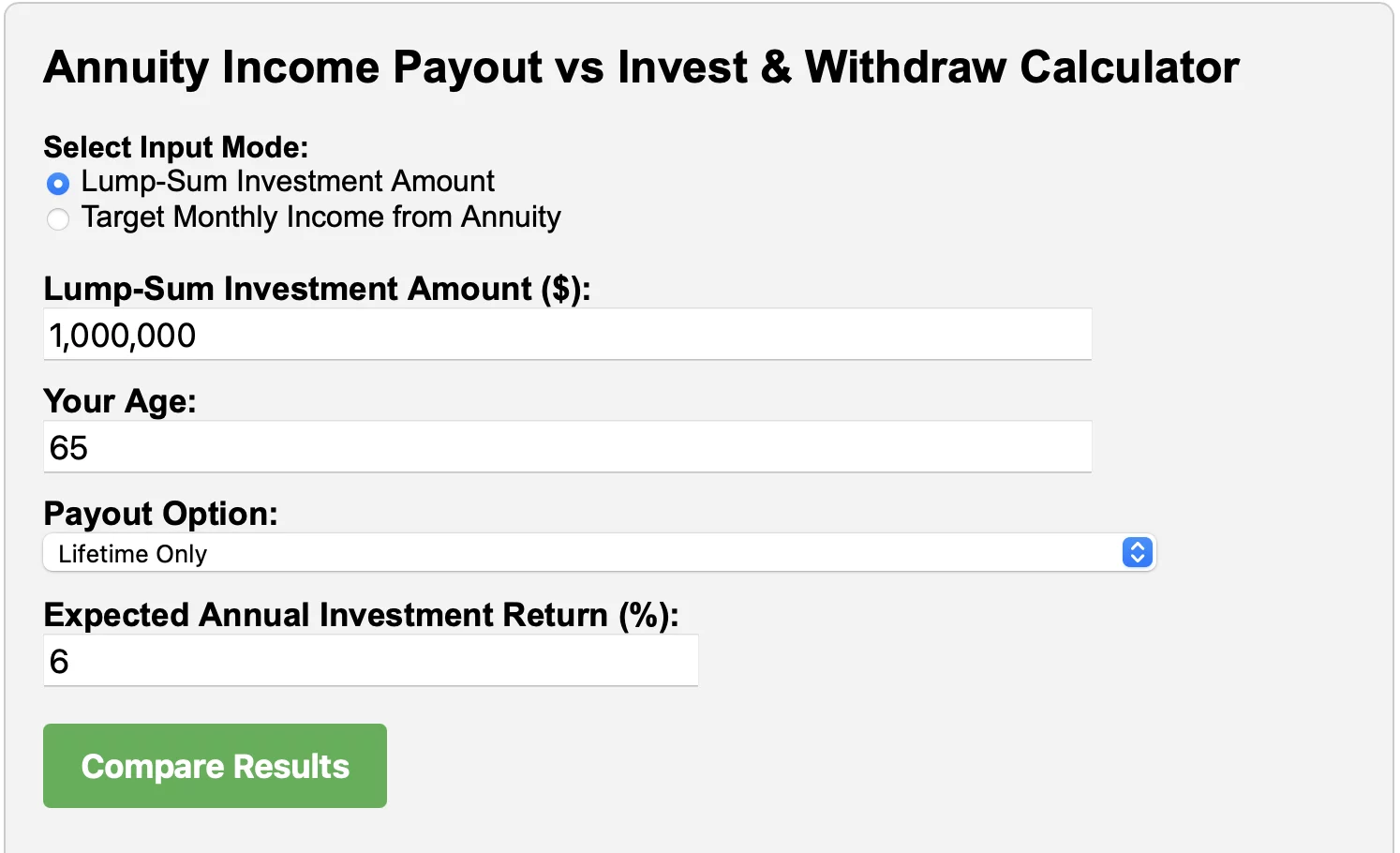
Annuity Income Payout vs. Invest & Withdraw
In this issue:
- Latest in Retirement Savings & Personal Finance: Annuity Is Back, HSA & Retirement Healthcare Improvement, Growing Medical Debt Crisis
- Tools & Tips: Annuity vs Invest Calculator
- Annuity Income Payout vs. Invest & Withdraw
- Market Overview
-
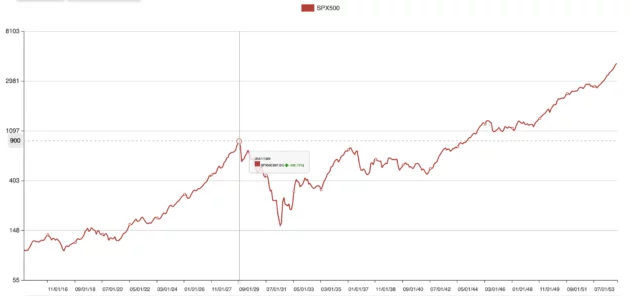
What $1 Million Really Buys You in Retirement: Annuity vs. Investment Strategy
Most investors think about returns first. But what gets less attention, and probably deserves more, is volatility. Risk adjusted returns matter more. Being comfortable with portfoiio swings is the key to investment success.
-
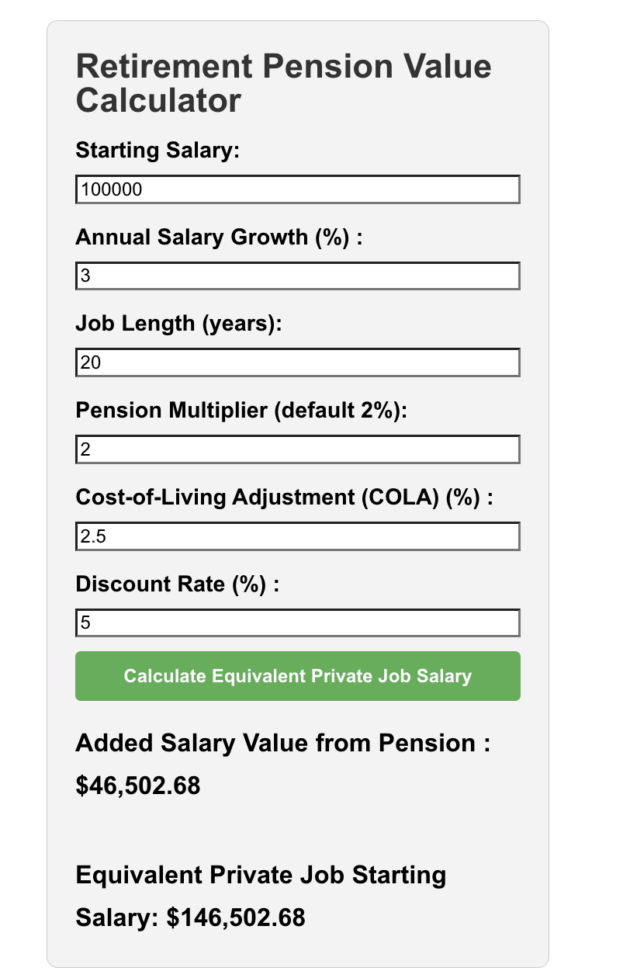
Public Pay Might Be Higher Than You Think (Once You Do the Math)
In this issue:
- Latest in Retirement Savings & Personal Finance: High 401(k) Savings Rate, The Big Beautiful Bill’s Deficit Increase & Who Are Affected by the BBB
- Public Pay Might Be Higher Than You Think (Once You Do the Math)
- Tools & Tips: Retirement Pension Value Calculator
- Market Overview
-
Why Managing Volatility Matters
Most investors think about returns first. But what gets less attention, and probably deserves more, is volatility. Risk adjusted returns matter more. Being comfortable with portfoiio swings is the key to investment success.
